

 PS3
PS3
 Famicom Dojo
 KEEP PLAYING
 KEEP PLAYING: Rewind
 Powet Toys
 Powetcast
 Hitchhiker's Guide POWETcast













Famicom Dojo: The Battery Backup
by Sean "TheOrange" Corse, filed in Famicom Dojo, Powet.TV Show on Aug.07, 2007
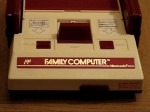
Famicom Dojo is back for its second episode! In this installment, we go over why the Famicom Disk System was such a tremendous boon for console gaming worldwide, even though the peripheral never made it to North American (or other) shores.
Blip.TV Version
YouTube Version
Direct Link: Famicom Dojo: The Battery Backup
Video Netcast Version
 Subscribe to iTunes POWETcast
Direct Link: Famicom Dojo – Episode 02 – Battery Backup
Show Notes
http://famicomdojo.tv/season1/battery-backup
Episode Links:
For a full workup of the features of the Famicom Disk System, check out our first (and so far only previous) episode about halfway through the video. But, heck, why not just watch the whole thing?
During all this hullabaloo in Japan about disks and battery backups, one peripheral did manage to grace both hemispheres of planet Earth — the Robotic Operating Buddy, or “R.O.B.” for short. Covering the US release in Powet.TV’s first smash-hit video is our very own Phil Bond in his first Gaming Archaeology segment:

Pingback: Rising Stuff • Famicom Dojo: Battery Backup at Rising Stuff
Pingback: Famicom Dojo: Microphone Roundup - POWET.TV
Pingback: Famicom Dojo: Microphone Roundup - POWET.TV
Pingback: Famicom Dojo: Twin Famicoms - POWET.TV