PS3
PS3
 Famicom Dojo
 KEEP PLAYING
 KEEP PLAYING: Rewind
 Powet Toys
 Powetcast
 Hitchhiker's Guide POWETcast








L is for Lost
by Adam, filed in Powet Alphabet, TV on Sep.19, 2009

Since the alphabet is the building block of our language, the Powet Alphabet is the building block of what makes us geeks.
In the fall of 2004, amidst a general lackluster lineup of programming on TV, my brothers pulled me aside to watch this new show everyone had been buzzing about. After watching just the first episode, I knew there was something great about this show with a simple concept about a plane crashing on a deserted island, but that obviously was up to much more. For me right off the bat the show keyed into something I’ve always been into, which is a kind of survival show idea, but then as it goes on the show kept me hooked with great drama, intriguing mysteries and original ways of tackling sci-fi and fantasy elements.

 Since the alphabet is the building block of our language, the Powet Alphabet is the building block of what makes us geeks.

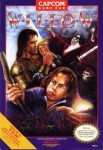 Before there was Lord of the Rings (the films, not the books) or Harry Potter, there was Willow. Co-produced by George Lucas and Ron Howard, and starring Warwick Davis (who had previously played as one of the Ewoks in Star Wars Episode VI) and Val Kilmer (long before he played his part in the destruction of the Batman film franchise in the mid 90s), Willow told the tale of a dwarf’s quest to rescue a baby from an evil sorceress queen. George had high hopes of Willow becoming Lucas’s fantasy equivalent to Star Wars, but it met low numbers at the box office and mixed reviews from critics. However, enough fans liked it enough for the film to gain cult status, and Capcom was fond enough of the property to release a pair of games based on Willow, one for the NES and the other for arcade.
 The Guilty Gear series is a string of fast-paced fighting games first developed by Japanese company Sammy in 1998. During an age where Mortal Kombat and Street Fighter was still champions of the fighting games, with Killer Instinct on its way out and Soul Caliber and Super Smash Bros. on their way in, it was a hard time to be a thrown into the fray, so to speak. However, if there was one thing that Guilty Gear games could always capitalize on, it was speed. Probably the fastest fighting game to date, the sheer velocity of the game made it a favorite amongst button mashers.